Panels
Eight tabs, each a pure rendering of the latest readings.
Engine (1)
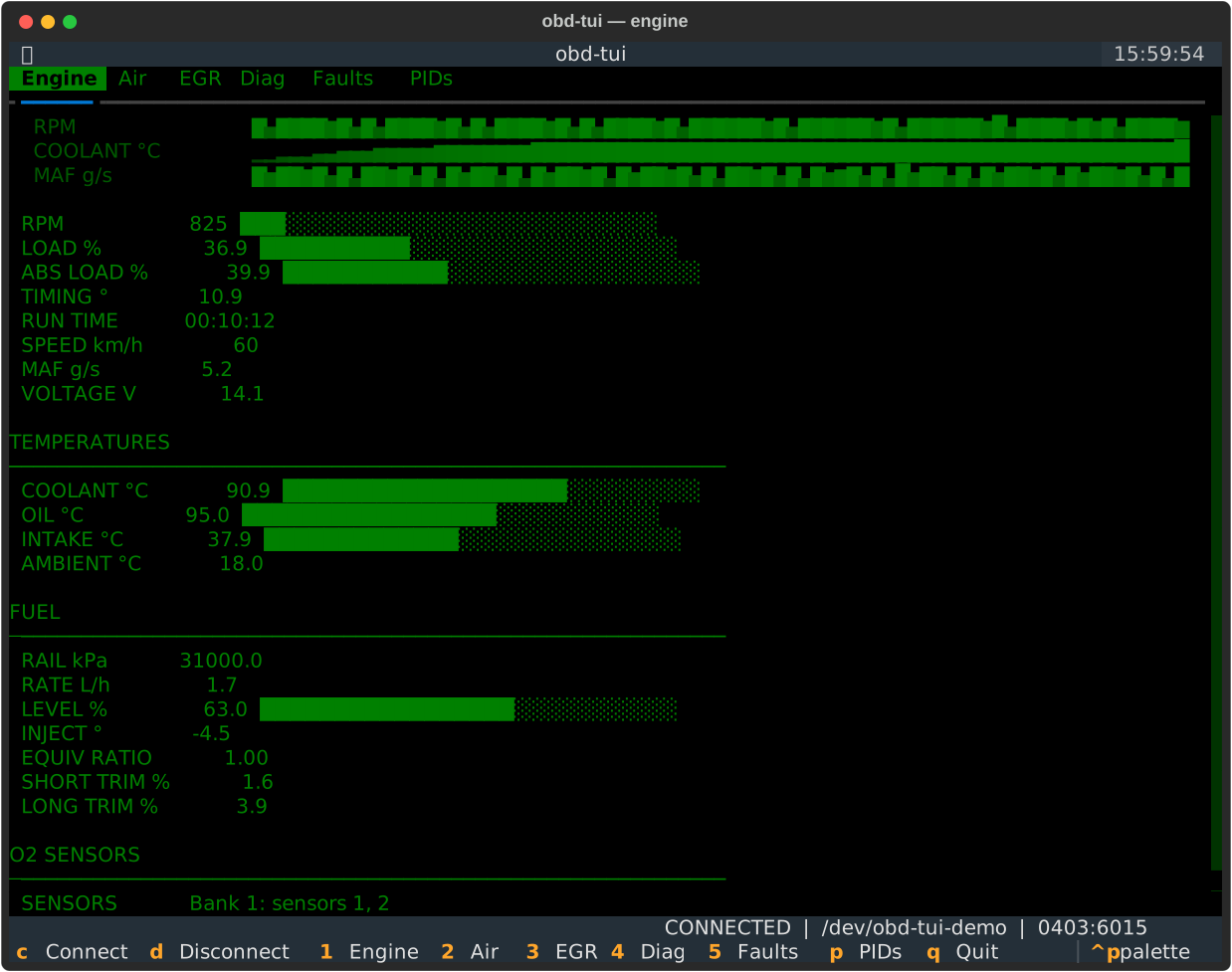
Rotation and load first - RPM, calculated and absolute load, ignition timing advance, engine run time, vehicle speed, mass air flow and control module voltage - then three sections that appear only if the vehicle answers them:
- Temperatures - coolant, oil, intake air, ambient air.
- Fuel - rail pressure, consumption rate, tank level, injection timing, commanded equivalence ratio, and the short and long term fuel trims of bank 1.
- O2 sensors - the sensor layout reported by the ECU and the wide-range lambda readings of sensors 1 and 2.
Gauges are scaled to plausible full-scale values (7000 rpm, 130 °C coolant, 150 °C oil), so a bar near the end means near the limit rather than near the largest value seen so far.
Air (2)
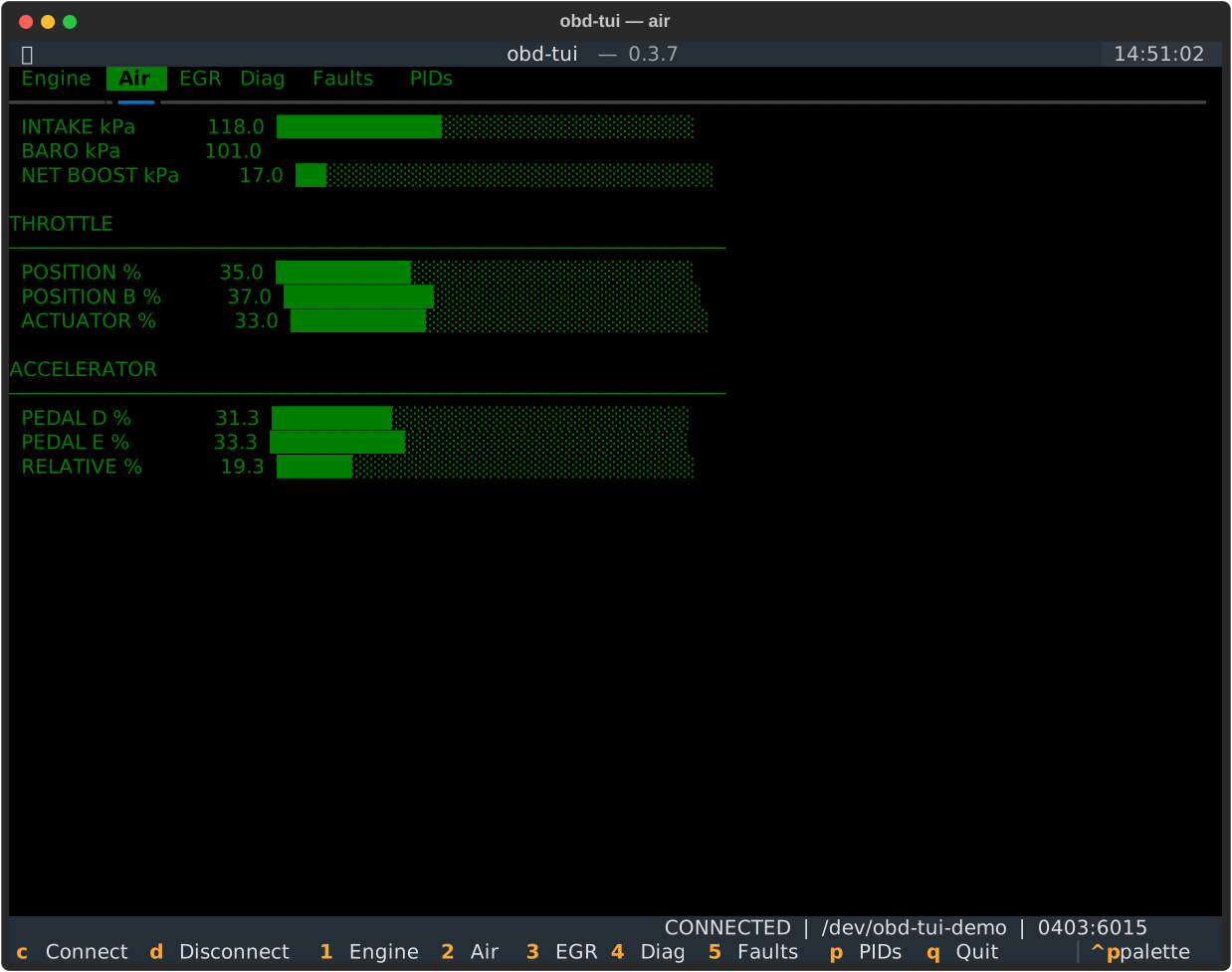
The intake path: absolute manifold pressure, barometric pressure, and the net boost derived from the two.
Net boost is manifold pressure minus ambient, so it is only shown once both
readings exist. It is gauged only when positive - below ambient the engine
is under vacuum, which is normal off-boost and is labelled (vacuum)
instead of drawing a bar.
Then throttle position (primary, secondary and the commanded actuator) and accelerator pedal position (D, E and relative).
EGR (3)
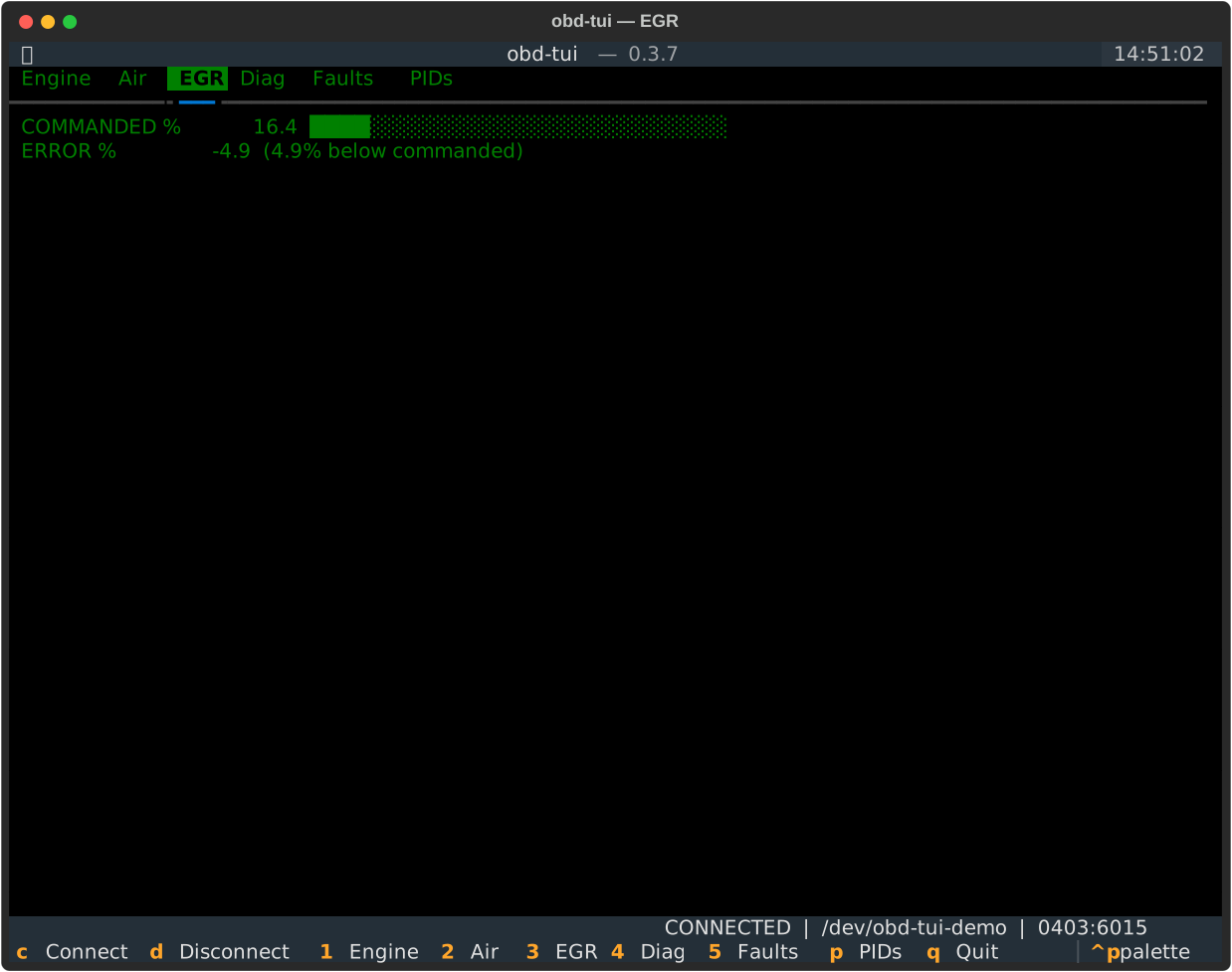
Commanded exhaust gas recirculation rate, and the error between commanded
and actual. The sign of that error is easy to read backwards, so it is
spelled out: (4.5% below commanded), (2.0% above commanded), or
(on target).
Diagnostics (4)
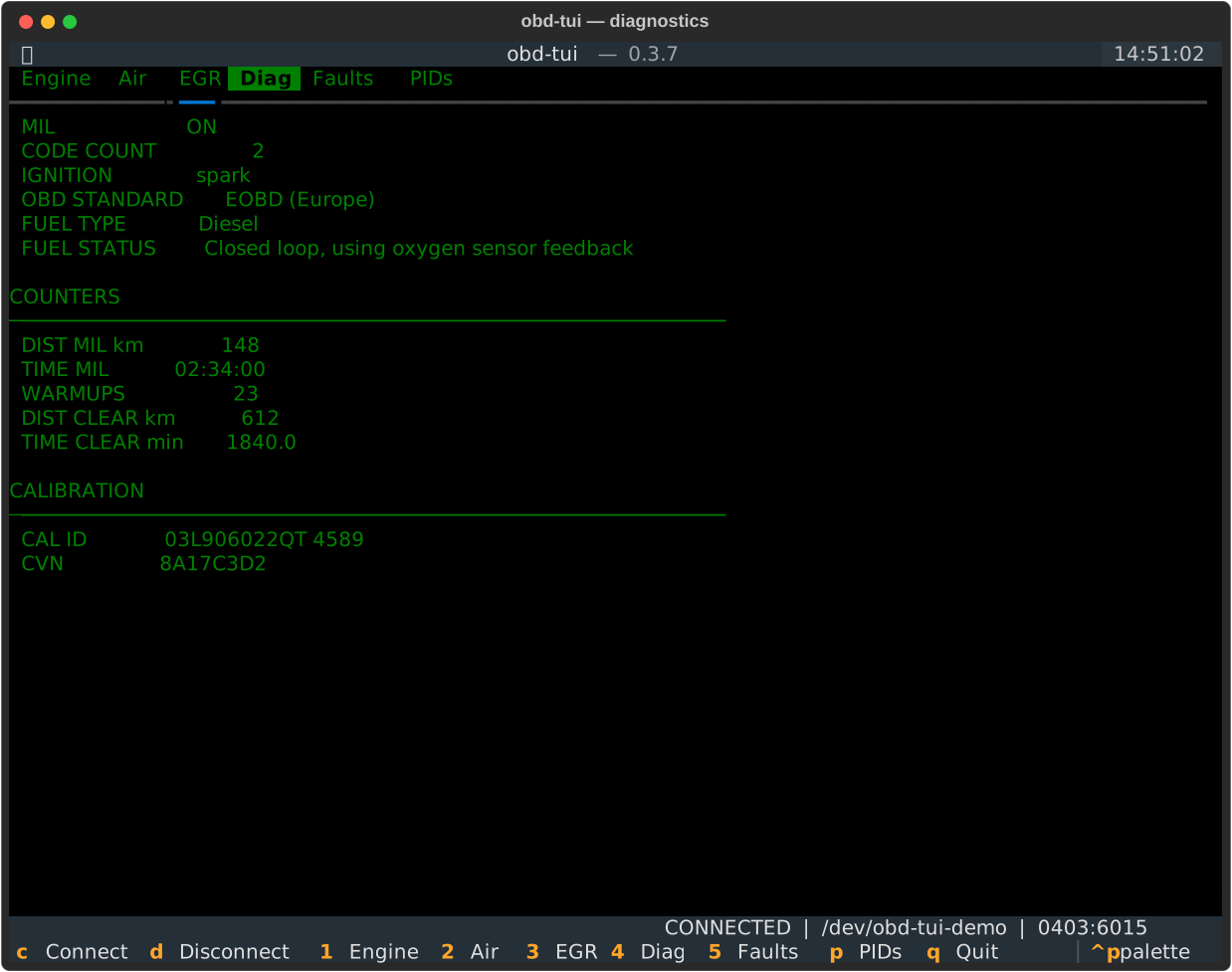
The malfunction indicator lamp, the stored code count and the ignition type read from the ECU status word, followed by the OBD standard the vehicle complies with, its fuel type and current fuel system status. Then:
- Counters - distance and run time with the MIL on, warm-ups since the codes were cleared, and distance and time since that clear.
- Calibration - calibration id and calibration verification number.
Faults (5)
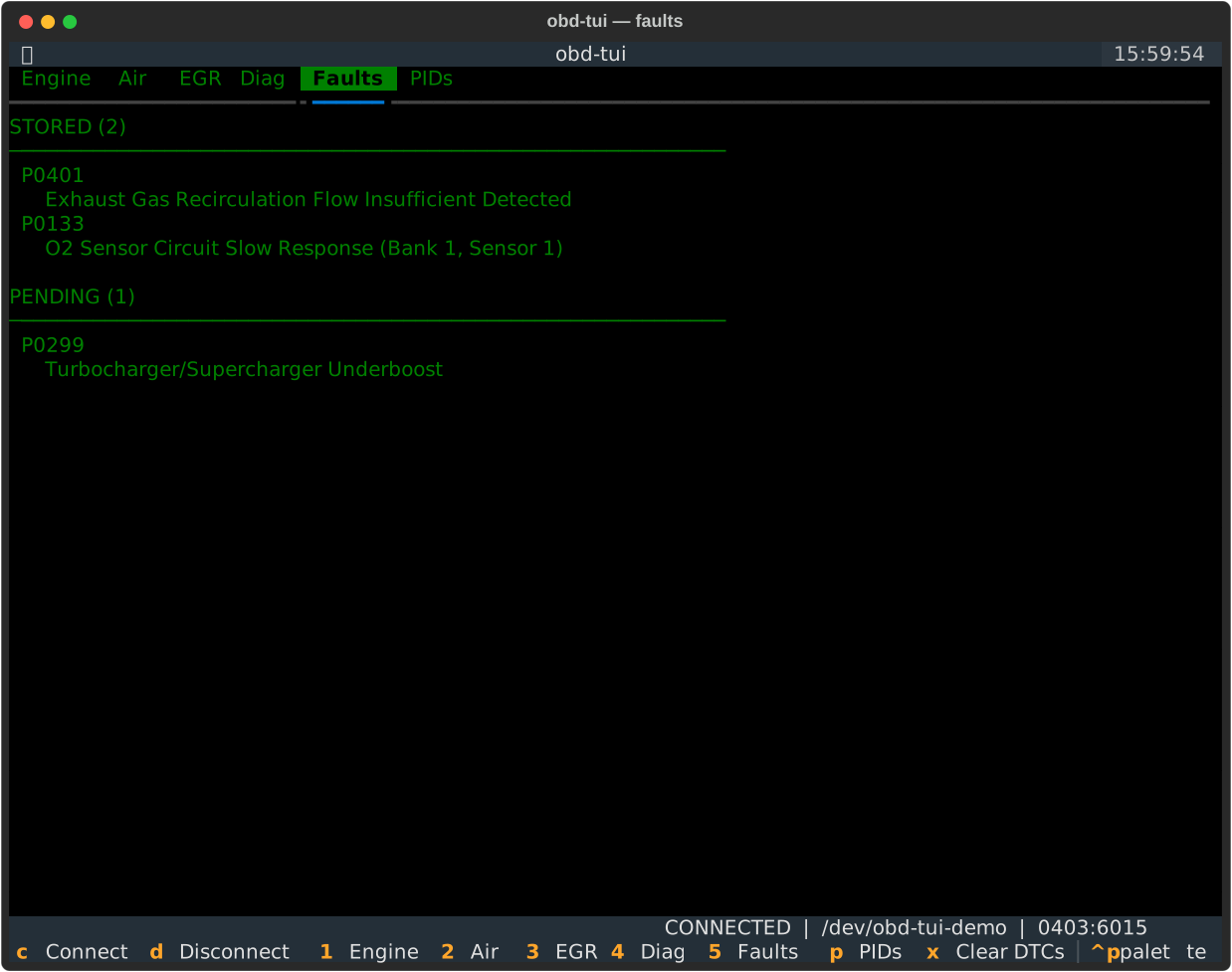
Diagnostic trouble codes, split into the ones the ECU has stored and
the pending ones it has seen but not yet confirmed, each with its
description when the vehicle provides one. A vehicle with nothing to report
says No trouble code stored.
Exhaust (6)
The exhaust gas temperatures, one row per sensor fitted, bank by bank and
upstream first, named the way a trouble code names them: B1S2 is bank 1
sensor 2. B1S1 sits before the turbine on most diesels, the last sensor
of a bank past the particulate filter. Up to four sensors per bank and up
to two banks, from mode 01 PIDs 0x78 and 0x79, each answering a whole
bank at once; a bank the vehicle does not answer, or a sensor it reports
as not fitted, never appears. Nothing on the panel assumes how many of
either there are:
  B1S1 °C            396.0  ████████████░░░░░░░░░░░░░░░░
  B1S2 °C            309.6  █████████░░░░░░░░░░░░░░░░░░░
  B1S3 °C            217.9  ██████░░░░░░░░░░░░░░░░░░░░░░
  B2S1 °C            402.3  ████████████░░░░░░░░░░░░░░░░
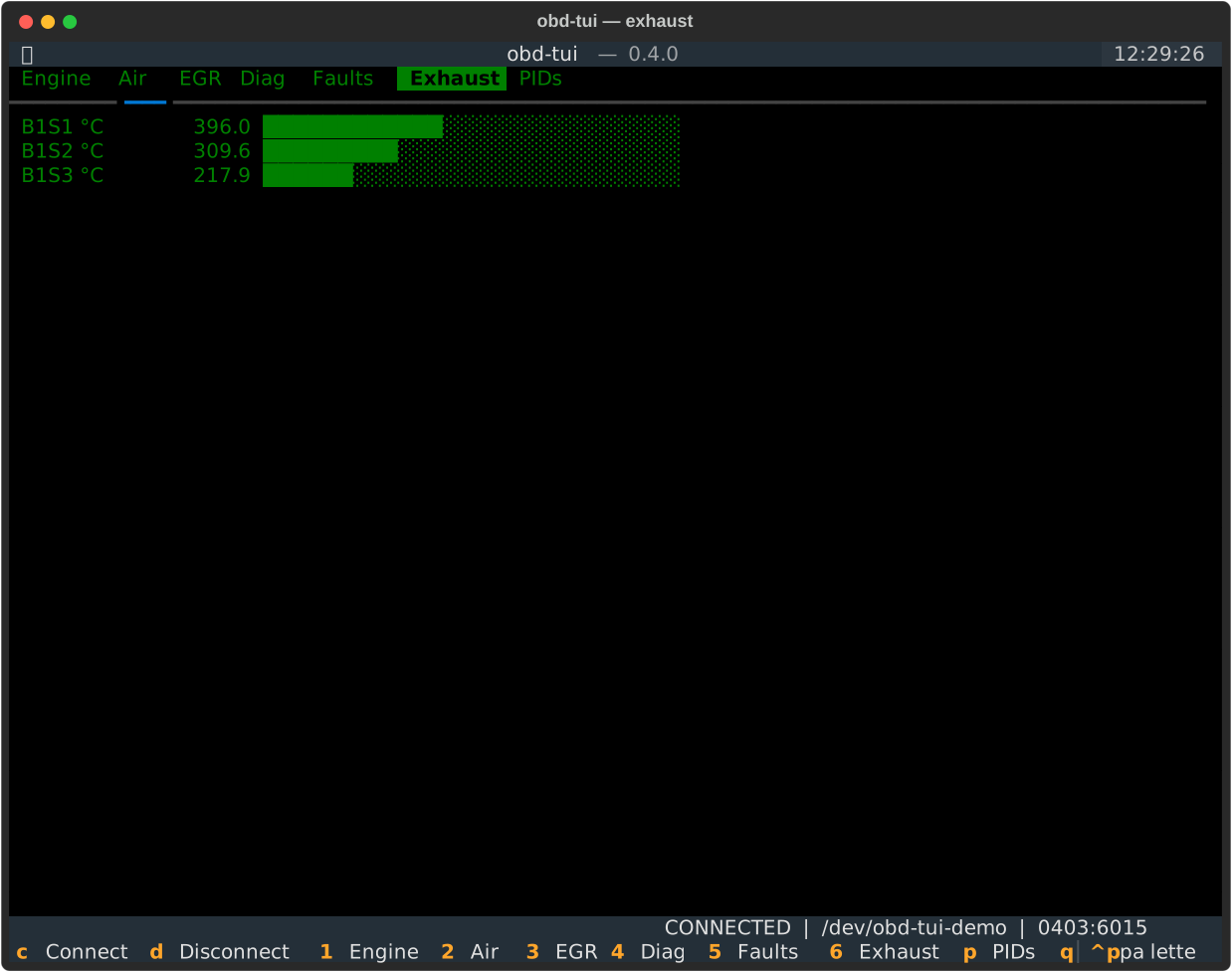
Gauges run to 900 °C, so a particulate filter regeneration at 600 °C reads as hot rather than pegged.
A sensor sitting more than 300 °C from the median of all the others gets a note,
⚠ far from the other sensors. That is a hint, not a diagnosis: under
load a healthy exhaust spreads a couple of hundred degrees between the
turbine and the filter, while a sensor whose circuit has failed reads one
end of the scale - a thousand degrees from its neighbours on a cold engine.
With only two sensors the note lands on both, since the panel cannot tell
which one is wrong. See Diagnosing faults
for how to read it, and what usually fixes it.
Whether the panel has anything to show depends on the ECU: both PIDs are
optional, and a vehicle that does not name one in its supported-PID bitmap
is never asked for it. The PID catalogue lists
EGT_BANK_1 and EGT_BANK_2 with what this one did. A manufacturer that
reads a bank some other way can fill in through its profile, and the panel
does not know the difference.
DPF (7)
The diesel aftertreatment in one view: the particulate filter's regeneration, the filter itself, the exhaust gas temperatures on the way to it, and the engine readings the filter's numbers only mean something against. Nothing on it passes a verdict on the filter.
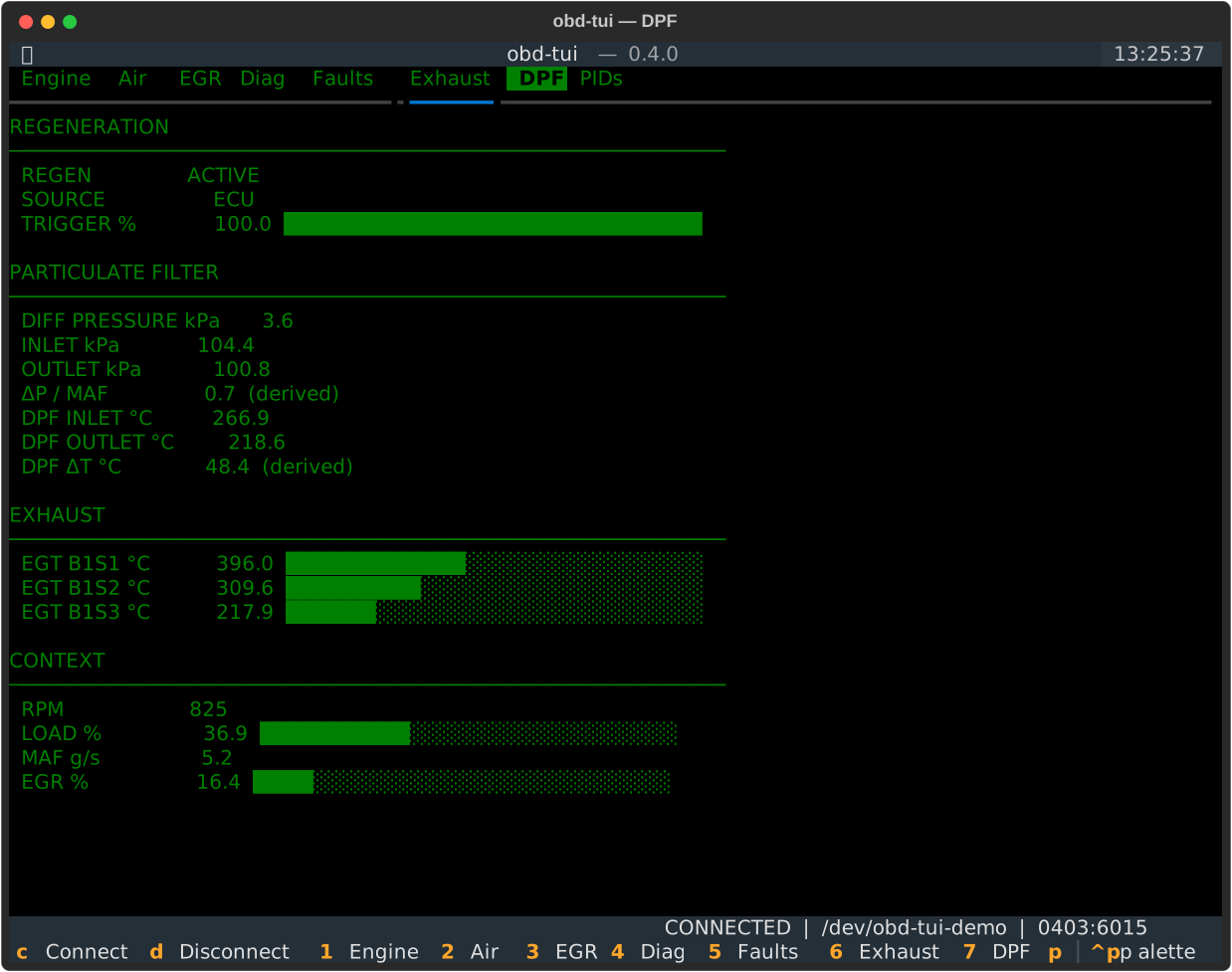
- Regeneration - what the ECU reports through mode 01 PID
0x8B:ACTIVEorINACTIVE, with the normalised trigger, how close the ECU is to starting one. A vehicle that does not report it gets a guess from the exhaust instead - a hot filter at moderate load - worded as one,probableorunlikely, withestimatedon the source row.SINCE LASTcounts from a regeneration the dashboard saw end, and is marked derived. - Particulate filter - the soot load a manufacturer profile exposes,
as a percentage or a mass, whichever came; the pressures from PID
0x7A, the differential first, with(elevated)past 20 kPa and(inconsistent)when the outlet reads above the inlet; the differential per gram per second of air, derived, which takes the flow out of the reading so two moments compare; the temperatures from PID0x7C, or the exhaust sensors the manufacturer profile places at the filter, marked(exhaust sensor)when so; and the inlet-to-outlet delta, derived. - Exhaust - every exhaust gas temperature sensor, as on the exhaust panel.
- Context - engine speed, load, air flow and commanded EGR.
A vehicle with no filter reading at all - a petrol engine - shows No data
reported by the vehicle, whatever the context has to say. See
Diagnosing faults for how to read the
panel against a fault, and Compatibility for which
readings come from the standard and which from a manufacturer.
PID catalogue (p)
Every command obd-tui knows about, grouped by OBD-II mode, with [x] for
the ones this vehicle supports and [ ] for the rest, plus the count per
mode and overall. The last group covers the commands answered by the
adapter itself rather than by the ECU.
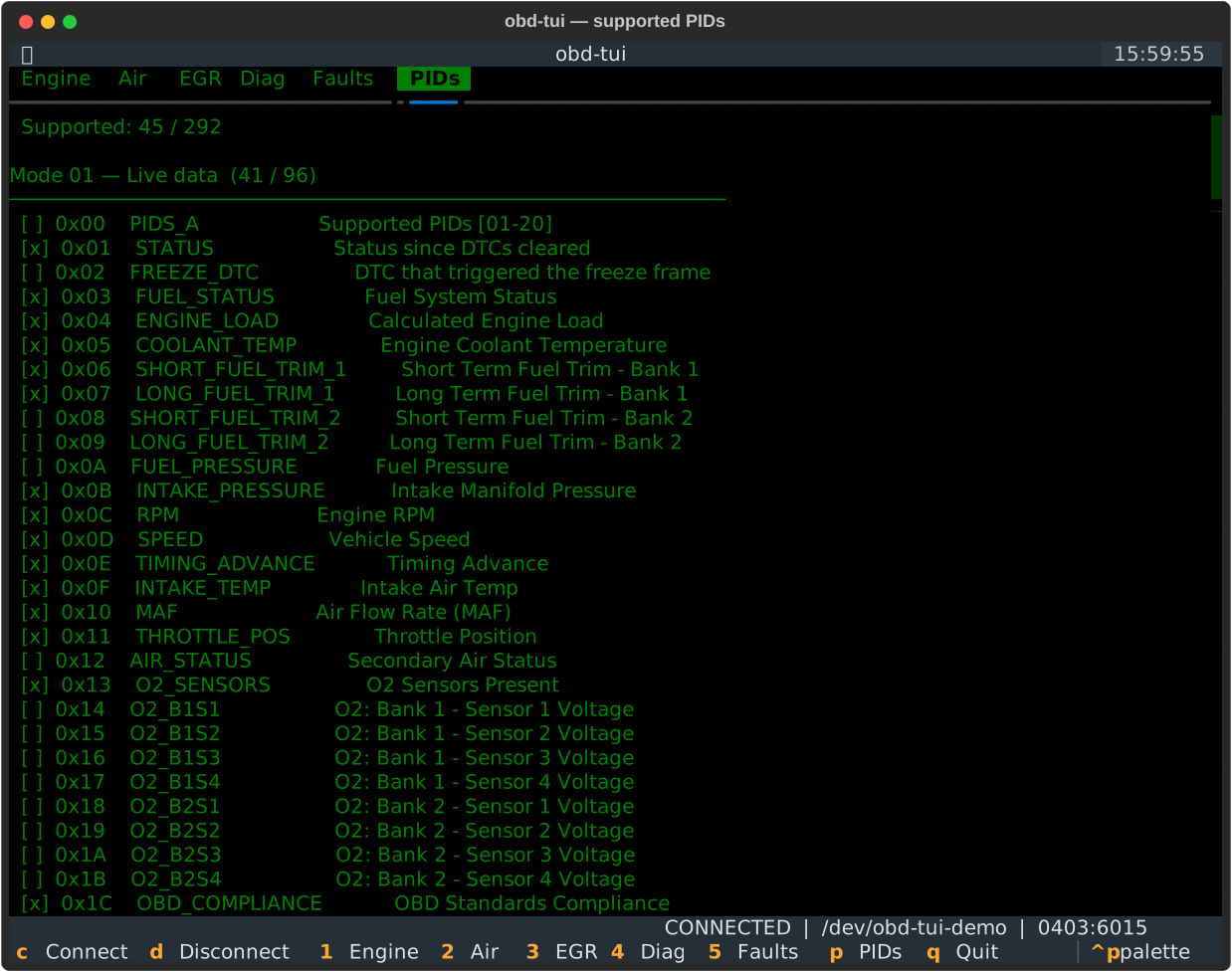
This is the list the poller works from: only supported commands are queried, because sweeping every known PID takes seconds on a real adapter.